
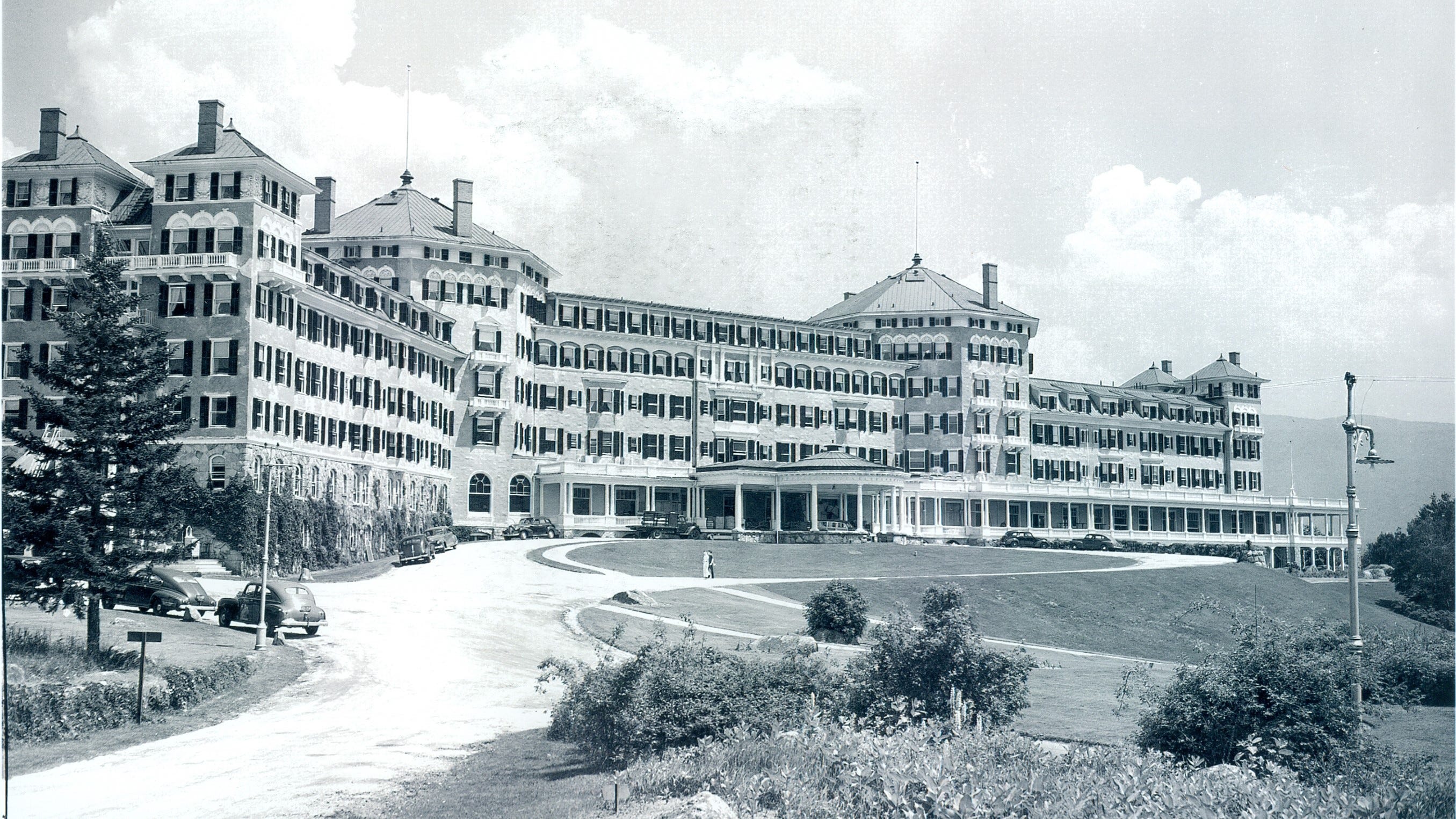
In the summer of 1944, as World War II still raged across Europe and the Pacific, 730 delegates from 44 Allied nations gathered at the Mount Washington Hotel in Bretton Woods, New Hampshire. They were not there to negotiate terms of peace, but something more enduring: the architecture of the postwar global economy. Over three weeks, the Bretton Woods Conference laid the foundation for a new financial world order - one that would steer global capitalism for decades and leave a legacy still visible today.
Before Bretton Woods: A Fractured Financial World
The interwar years were marked by chaos in the global financial system. The gold standard, once a pillar of stability, had collapsed during the Great Depression as countries rushed to devalue their currencies in a desperate bid to boost exports. Exchange rates fluctuated wildly, trade ground to a halt, and global capital retreated behind national borders.
Nations hoarded gold and foreign reserves, fueling competitive devaluations and protectionist tariffs, most infamously embodied in the U.S. Smoot-Hawley Act. The result was a downward spiral of declining trade and rising nationalism. As war erupted again in 1939, the economic order was as broken as the geopolitical one.
The Bretton Woods Agreement: A Blueprint for Stability
Led by economist John Maynard Keynes of Britain and U.S. Treasury official Harry Dexter White, the Bretton Woods delegates designed a system to prevent a repeat of the 1930s. Their vision was rooted in stability and cooperation.
The new rules established fixed exchange rates anchored to the U.S. dollar, which in turn was convertible to gold at $35 an ounce. Countries agreed to peg their currencies within 1% of the dollar, while the International Monetary Fund (IMF) and the World Bank - both born at Bretton Woods - were tasked with managing balance-of-payments crises and financing reconstruction.
At the heart of the system was the U.S. dollar, elevated to the role once held by gold. With over two-thirds of the world's gold reserves and a booming wartime economy, the United States was the natural anchor. The dollar became, in effect, "as good as gold."
Postwar Prosperity and American Hegemony
For a quarter-century, the Bretton Woods system underpinned what became known as the "Golden Age of Capitalism." Global trade flourished. Europe rebuilt through the Marshall Plan. Japan industrialized. The U.S. economy surged ahead, buoyed by strong domestic demand and unrivaled industrial dominance.
The fixed exchange rate regime helped stabilize prices, foster international investment, and encourage cooperation. But beneath the surface, imbalances were growing. As American spending abroad rose - from Cold War military commitments to consumer imports - the U.S. began running persistent trade and fiscal deficits.
Foreign nations, particularly in Europe and later Japan, accumulated vast reserves of dollars. But confidence in America's promise to convert those dollars to gold began to erode.
The Collapse: Nixon Ends Dollar Convertibility
By the late 1960s, the system was unraveling. Inflation in the U.S., spurred by Vietnam War spending and domestic social programs, made the dollar increasingly suspect. France, under President Charles de Gaulle, openly questioned the dollar's gold backing and began converting its holdings.
The tipping point came in August 1971, when President Richard Nixon stunned the world by suspending the dollar's convertibility into gold - effectively ending the Bretton Woods system. It was a unilateral move, dubbed the "Nixon Shock," that dismantled the last vestige of the gold standard.
The world moved to floating exchange rates. The dollar remained dominant, but now as a fiat currency - backed by the full faith and credit of the U.S. government, not by gold.
After Bretton Woods: A More Volatile, Interconnected World
The collapse of Bretton Woods marked the beginning of a new era: one of financial liberalization, capital mobility, and greater volatility. Currency speculation became commonplace. Emerging markets were periodically roiled by capital flight and debt crises. The 1980s and 1990s saw the rise of neoliberalism and deregulation, culminating in the globalization boom - and, some would argue, in the 2008 financial crisis.
Meanwhile, the institutions birthed at Bretton Woods adapted but remained. The IMF and World Bank grew into central players in global economic governance, albeit not without controversy.
And the dollar? It became even more entrenched as the world's reserve currency. Over 80% of global trade is still conducted in dollars, and central banks hold trillions in dollar-denominated reserves.
The Legacy and Its Critics
Supporters of Bretton Woods praise it as a stabilizing force that enabled postwar recovery and unprecedented global growth. Critics argue it entrenched American financial dominance and laid the groundwork for future imbalances.
In recent years, rising debt, digital currencies, and geopolitical shifts have prompted whispers of a "Bretton Woods 2.0." China has challenged the dollar's supremacy, and some economists call for a new global reserve asset to reflect a multipolar world.
But more than 80 years later, the ghost of Bretton Woods still looms large. In an era of rising populism and deglobalization, its original vision - of nations cooperating to manage a fragile global economy - may feel more relevant than ever.
"The Bretton Woods system didn't fail. It completed its job," said economist Barry Eichengreen. "It laid the groundwork for prosperity - and then made way for a more complex, more volatile world."
In that sense, it was not the end of global financial architecture, but merely a foundation. One we still live upon today.
— - - - - - - - - - - - - - - - - - - - - - - - - - - -
Written as part of Investment Basics series for MarketCrunchAI.